
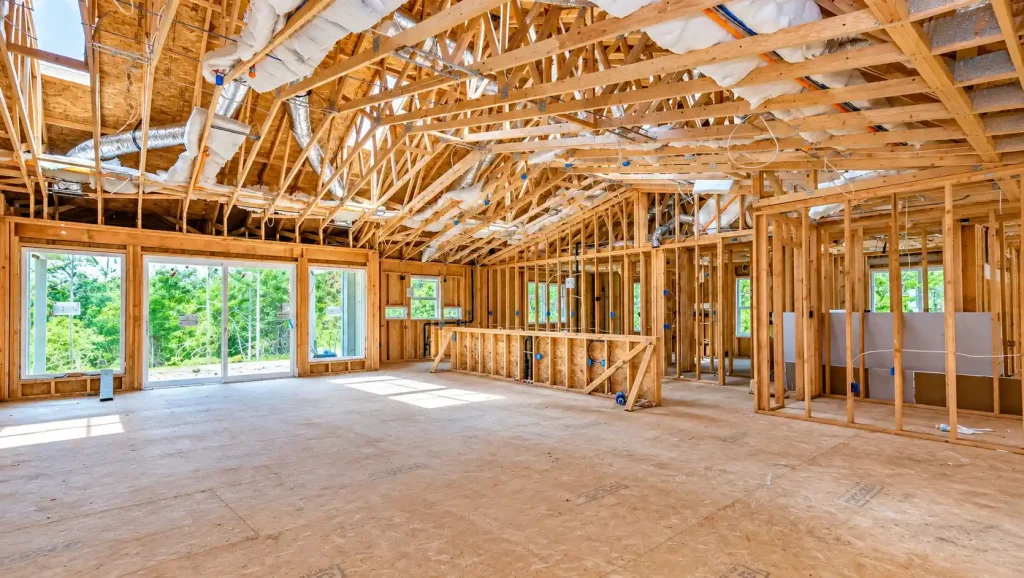
A fire that damages your home is genuinely difficult, and rebuilding gives you something a simple repair never can: the chance to start over with a home built exactly the way you want it, not just restored to what it was. If you are weighing that decision for a property in Spokane County, this guide walks through what the process involves, from the first call to the materials that will shape how the new home performs for decades to come.
That opportunity matters more than ever. Home fire losses nationwide have climbed 25% over the past decade, even as the number of fires has gone down, according to the U.S. Fire Administration. The need is especially real in Spokane County, where wildfire destroyed 615 primary residences last year, according to Firehouse. When homeowners rebuild, building back smarter and sturdier the second time around is worth it, and it starts with understanding the decisions ahead before a single permit is filed.
What Rebuilding After a Fire Really Involves
A fire rebuild is not just a construction project. It is a series of decisions, each one shaping the home you end up with, and getting the order right makes the rest of the process far less stressful.
Start with your insurance claim and a clear scope of loss, because the settlement determines your real budget before you can meaningfully compare rebuild options, and skipping this step is why many rebuilds stall out mid-decision over costs nobody planned for.
Confirm your existing lot is still buildable, since septic, well, and power access can shift after a fire, and a lot that cleared inspection once does not automatically clear it again once ground conditions or utility lines have changed.
Choose a builder who treats your rebuild as a custom project rather than a repeat of your old floor plan, which is exactly how we approach it because the materials and layout decisions you make now are what determine whether the new home actually outperforms the one you lost.
Lock in your design and permitting timeline early, because a custom build in the Pacific Northwest built by a hired contractor rather than a production crew could take close to a year from authorization to completion, and knowing that upfront keeps expectations realistic from day one.
Is Repairing or Rebuilding the Right Call?
Fire damage rarely stays contained to the room where it started. Smoke, heat, and water from suppression efforts can compromise framing, wiring, and insulation well beyond the visible damage, often pushing a project from repair into full rebuild territory.
When that line is crossed, the math shifts in your favor. A repair puts you back where you started, with the same aging systems that were already underperforming before the fire.
A rebuild lets you install equipment and materials that weren’t standard when your original home went up, like a hybrid water heater that runs up to four times more efficiently than a standard electric unit and fire-resistant, non-combustible HardiePlank® siding, without paying twice for either upgrade later. That is the real argument for rebuilding over patching: the home you get at the end is built for how you actually live now, not how the original builder guessed you might live decades ago.
What a Fire Rebuild Costs, and Where the Value Actually Comes From
Cost is the first question every homeowner asks, and it deserves a straight answer: a rebuild is a major financial decision, so the comparison that matters isn’t the lowest quote, but what each quote actually includes.
Interior finishes alone can account for a meaningful share of total construction costs, yet many builders price them as upgrades rather than standard inclusions. We built our base pricing around the opposite approach, including features you actually want like triple-pane windows and quartz countertops from the start rather than offering them as upgrades later. When you compare rebuild quotes, that distinction often shows up as real savings, or real surprises, long after you sign the contract.
Financing also looks different after a fire, since your insurance settlement, remaining mortgage, and new construction loan all need to line up before you can start building. We work with a group of recommended lenders who offer standard construction loans, so this is a conversation worth having early, before you commit to a design that your financing cannot actually support.
What to Expect From Lot Checks, Permits, and Inspections
A rebuild still has to clear the same site assessment and permitting steps as a new build on raw land, even though you already own the property. Some homeowners are surprised, assuming an existing address means a faster path through approvals.
In practice, a rebuild usually moves through site evaluation, design review, and a sequence of inspections tied to each construction phase, from the foundation through final occupancy. Our project managers manage that sequence from permit application through final sign-off, so you don’t have to coordinate inspectors and permitting offices on your own. It is one of the simplest ways to avoid delays caused by a missed step late in the process.
Rebuilding With True Built Home Across Washington and Oregon
True Built Home has been building on-your-lot custom homes across Washington and Oregon since 2008. Our founder spent years building homes for other Pacific Northwest builders before starting this company, and that background shaped a simple standard we still build to: build the best home for the cost, not the cheapest home for the square footage.
Every rebuild gets an in-house design team and a dedicated home consultant from the first conversation through the final walkthrough, plus an online portal that keeps you updated as your project moves through each phase. We do not treat a rebuild as a lesser version of new construction. It gets the same standard features, design attention, and project oversight as any home we build from the ground up.
Ready to Rebuild With a Plan That Actually Works for You?
The sooner you understand your real options, the sooner you can stop guessing and start planning a home that actually fits what you need next, not what happened to be standing before.
If you would like to learn more about building a home after a fire, fill out our form, and we’ll get in touch shortly so one of our home consultants can talk through your lot, timeline, and what a rebuild could look like for your family.